




Ed Martin Chrysler Dodge Jeep Ram

Blog / Brake Repair

Blog

All Brake Repair Anderson Jeep Dealer Ed Martin Chrysler Dodge Jeep RAM Anderson Dodge Dealer Around Town Jeep Safety Features Anderson Chrysler Dealer 2024 Model Year Performance Anderson Jeep Service Anderson RAM Dealer Ed Martin Chrysler Dodge Jeep Ram Service 2025 Model Year Anderson Chrysler Service Anderson Used Cars Jeep Gladiator Outdoor Fun 2026 Models Jeep Compass 2023 Lineup Jeep Wrangler 2026 Model Year Dodge Jeep Grand Cherokee Tires Anderson Truck Dealer Engine Maintenance RAM 1500 Chrysler Pacifica Financing Jeep Trucks New RAM Dealer Headlights Trim Levels Dodge Durango Jeep Wagoneer RAM models Wagoneer 2026 Ram 1500 Dodge "Last Call" Event Dodge Charger Dodge Hornet Hornet Jeep Grand Cherokee L Muscle Cars RAM RAM models in Anderson IN Suspension 2025 Ram 1500 2026 Dodge Ram 1500 2026 Jeep Compass Air Conditioning Anderson Wagoneer Dealer Battery Replacement Car financing Car Insurance RAM 2500 2023 RAM 2500 Rebel 2025 Jeep Gladiator 2026 Dodge Charger 2026 Jeep Wrangler Battery Maintenance Battery service Chrysler Pacifica Hybrid Crossover Dodge Challenger EV Hiking Trails Oil Change RAM 3500 SUV Wagoneer S
A mechanic performing a brake repair near Anderson, Indiana.

How Often Should You Change Your Brake Pads at Your Chrysler Dealer?

Ensuring your Chrysler or Pacifica's braking system properly works is crucial for road safety. Brake pads play a significant role in this system, as they create the necessary friction when pressed against the rotors to slow down and stop your car. It's important to replace the pads at your Chrysler dealer before they wear too thin and can't provide you with the necessary stopping power to keep you safe behind the wheel. more Lifespan and Mileage The lifespan of pads differs significantly and can range from 30,000 to 80,000 miles, depending on the vehicle you drive, the road conditions, and how frequently you use your brakes. If you drive on quiet country roads, the pads will last much longer than when you brake often or hard on congested roads in heavy traffic. To ensure your safety, replace the pads between 30,000 and 50,000 miles. Pad Thickness and Measurements New pads are typically eight to twelve millimeters thick, but the lining will wear down each time you use your brakes. The pads must be at least 6.4 millimeters thick to create the necessary friction to slow down and stop your car. If they are thinner or the wear indicators start making squealing sounds, replacing the pads as soon as possible is best to prevent brake failure. Ask your Chrysler technician to measure the pad thickness regularly and replace the pads before they wear too thin. Inspections Get a comprehensive brake inspection at your dealer from a certified technician at least once a year or every time you take your car for routine maintenance. Regular brake inspections and pad measurements will ensure the pads are replaced before they wear down and get so thin they don't work effectively and cause damage to the rotors. Replacement Signs There are signs to look out for that warn you when to get new pads. The wear indicators built into the pads will make high-pitched squealing sounds when the pads get too thin, and when the linings are worn down, your car will take longer to slow down and stop. In some cases, your car will even start to pull to the left or right when you apply the brakes. If you don't heed the signs, the pads will soon wear so thin that the bare metal will scrape against the rotors, making hideous grinding noises and causing severe damage that will lead to expensive repairs. It's vital to ensure your pads are thick enough to ensure your safety on the road. If you notice your pads are thin or squeal while braking, it's best to get them replaced by a certified Chrysler technician as soon as possible. Call Ed Martin Chrysler Dodge Jeep Ram t oday to schedule a brake inspection, pad thickness measurement, and a professional replacement with quality pads.
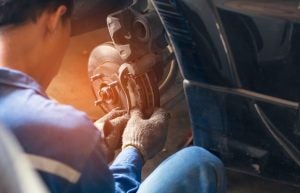
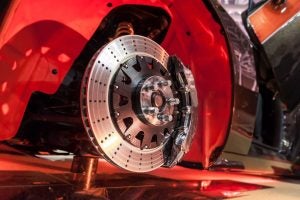
Brake repair being performed near Anderson, Indiana

Does Your Chrysler, Jeep, Dodge, or RAM Need a Brake Repair?

Good brakes are essential for safe driving, as they provide full control over your car's speed. In time brake problems can develop as brake components will wear out or suffer damage. As your Chrysler dealer, we can repair any of these problems for you. These are a few signs that you may need a brake repair. more Spongy Brakes The braking system is a highly pressurized one. When you hit the brakes, brake fluid is forced into the brake hoses to activate the system and bring your wheels to a stop. You can feel the pressure in the system by the resistance you feel when you step on the brake pedal. As you push harder on the pedal, you should feel more resistance, which means the system is operating correctly. If you press the pedal and feel very little resistance, this is a sign that something is wrong. The lack of resistance from the pedal means that the pressure in the braking system is low. Low pressure reduces the speed of response from your brakes which increases your stopping distance. Our technicians will examine our braking system to find the cause of the problem and then repair it. Your Car Pulls When You Brake When you apply the brakes, the brake calipers should all clamp onto the wheel rotors simultaneously. The friction generated by the pads inside the calipers should stop all your wheels instantly. If the brakes on one side of your car are worn or damaged, your vehicle will automatically turn in the direction of the working brake. There are several causes for a failed brake, including a rusted or damaged caliper and a leaking or blocked brake hose. If the brake hose connecting to one of the calipers is leaking or blocked, the brake fluid won't exert the necessary force to push the caliper against the rotor. A rusted or damaged caliper won't engage correctly, and this prevents the affected wheel from stopping. We'll examine your brakes to find the cause of the problem, Overheating Brake Fluid As we've seen, your braking system depends on pressure to work effectively. Each time you hit the brakes, brake fluid is formed into the hoses and held there until you release the pedal. The pressure in the braking system can heat older brake fluid, especially if you have to frequently apply your brakes over a short distance as you drive. Overheating brake fluid is dangerous, as brake fluid that gets too hot loses its hydraulic properties. Without these properties, your braking system can fail. We can test the fluid and replace it to fix this problem. If you're experiencing brake problems, call us right away at Ed Martin CDJR.

Contact Us

Fill out this form below and we'll contact you shortly
*Required Fields