



Healthy tires are essential for safe driving, but even the highest quality tires will wear out over time. As your RAM dealership, we’d like you to know a few signs you need to visit us for RAM tire maintenance and possible tire replacement.
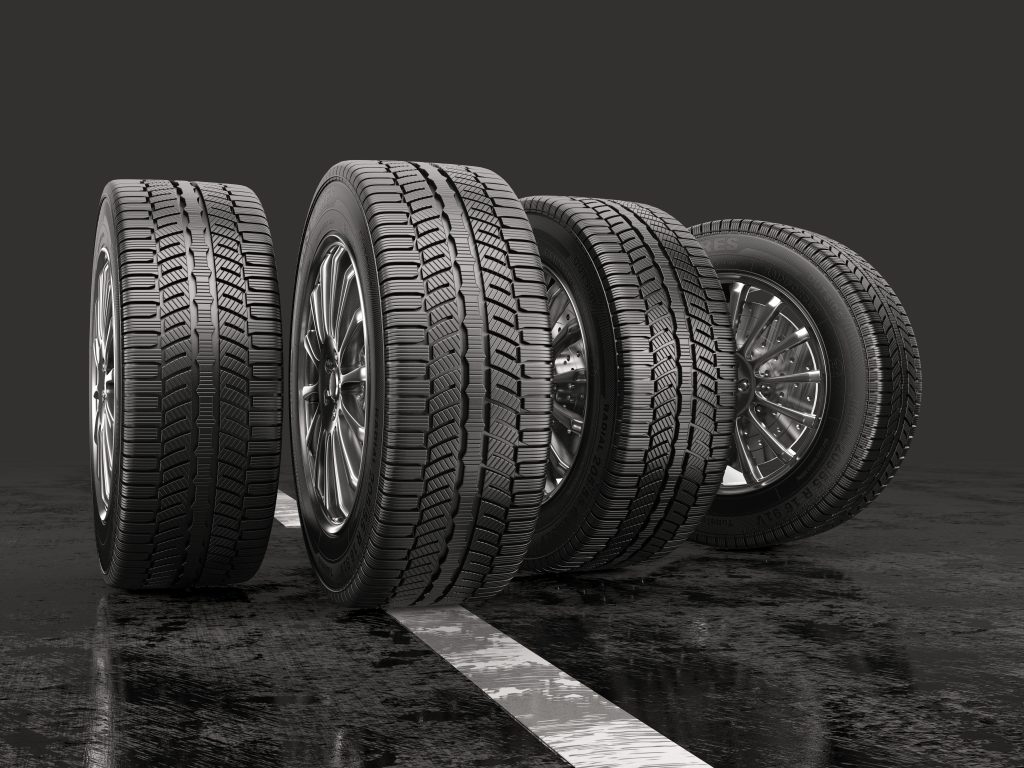
Signs You Need RAM Tire Maintenance at Your RAM Dealership
Tire Bubble
A tire bubble is a raised section on the tire surface that looks like a blister. It’s filled with air and is caused when part of the tire is pinched against a solid object. Tire bubbles are more common on the sidewalls, the tire sections perpendicular to the road surface, as they’re made from softer rubber than the tread and lack reinforcement.
A bubble is dangerous, as the air inside a tire heats up while driving due to surface friction. The rubber forming the bubble is stretched thinner than it should be, and this can cause the bubble to burst and blow out. A tire bubble can’t be repaired, as the tire’s internal structure is damaged, but we’ll replace the tire so you can drive safely again.
Worn Tires
The tread is the pattern of raised grooves on the tire in contact with the surface. These grooves grip the surface, making handling and control easier and reducing the time needed to stop when you hit the brakes. As time passes, the tread gradually wears down due to surface friction, and your brakes will take longer to engage. Smoother tread also reduces your control when driving on wet, muddy, or snowy surfaces.
When the tread drops to 2/32″, a tire is badly worn and needs replacement. You can measure your tread using a tread depth gauge or by inserting a Lincoln penny upside down into the deepest part of the tread. If you can see the top of Lincoln’s head, it’s time to change the tire. Our technicians can replace any worn tires in minutes while you wait.
Poorly Inflated Tires
Tires have a recommended pressure, and the correct pressure for each tire is listed in your vehicle handbook. It’s also marked on a plate or sticker on the inside door jamb of the front passenger door. Correctly pressurized tires have a longer lifespan, save fuel, and provide good surface grip so you can drive safely.
Tire pressure will drop if there’s a leak, but it also changes depending on the outside temperature. Pressure is measured in PSI, and a tire will change by 1 to 2 PSI for every 10°F change in temperature, with higher outside temperatures increasing the pressure and lower temperatures reducing it. We can test your tire pressure and correct it if needed.
If you have a tire problem, contact us today at Ed Martin CDJR in Anderson, IN.
Connect with us


